Sketch, Wireframe, Mockup, Prototype - What Are They and Examples
Explaining and distinguishing four important terms in UI/UX design and software development: Sketch (quick idea drafting on paper or whiteboard), Wireframe (basic skeleton describing app flow), Mockup (adding design elements like colors and fonts to wireframe), and Prototype (interactive sample). With specific examples and appropriate tools for each design stage.

Related Posts
Discover more content you might enjoy
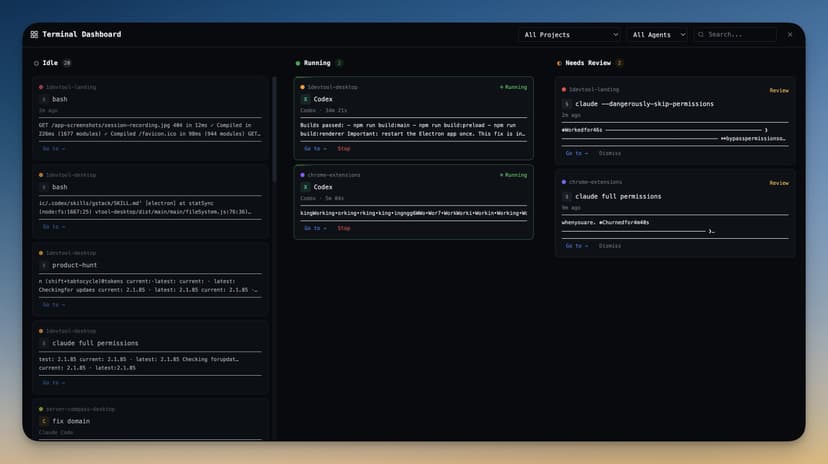
1DevTool: The Developer Cockpit I Built Because I Was Drowning in Windows
I was running Claude Code, Codex, and Gemini CLI in three different terminals, plus VS Code, Chrome, Postman, and TablePlus — just to ship one feature. So I built 1DevTool: one window per project, every AI agent in one place, everything persists.
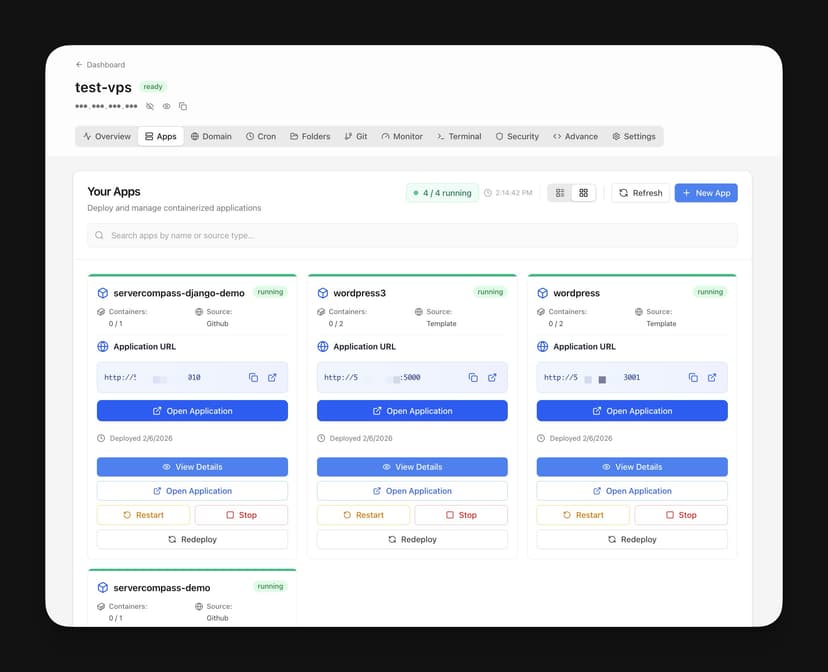
Server Compass: Why I Built a Desktop App to Turn Any $5 VPS Into My Own PaaS
I was tired of paying $20+/month for Vercel and Railway, but also tired of self-hosted panels eating 2GB of RAM on my $5 VPS. So I built Server Compass — a desktop app that connects to any VPS over SSH and gives you the full power of a managed PaaS, with zero server overhead and one-time pricing.
Accidentally Building a Blogging Platform
I hadn't written blog posts for a long time and realized I was too dependent on AI. To rebuild my writing habit and think more clearly, I decided to build a writing platform: write.rocks.

Vibe Coding - Rebuilding My Blog from Scratch and Rebranding to khoa.blog
Detailed walkthrough of rebuilding a blog from scratch with vibe coding, from data migration to implementing new features, helping readers understand the personal blog development process.

The Pathos Problem in Startups
Analysis of the Pathos Problem in startups - when founders have oversized egos and seek validation instead of listening to real feedback.

Asset vs Cashflow: What's the Difference?
Distinguishing between assets and cashflow in investing, how they work, and the importance of building stable cashflow.