Should You Use Struct or Class in Swift - Part 1
An analysis of the differences between struct and class in Swift, explaining Reference Types and Value Types with concrete examples. This is the first part in a series guiding Swift developers on choosing between struct and class for different use cases.

Related Posts
Discover more content you might enjoy

Mobile Development with Ionic - Should You?
Evaluating the Ionic framework for cross-platform mobile development, analyzing advantages like open source, easy documentation, complete components, and rich ecosystem. Comparing Ionic with React Native and sharing real experience using this framework.

iOS Programming with Swift 3 + Xcode 8: Son Tung MTP Playlist App
Basic iOS programming tutorial through building a Son Tung MTP music playlist app with Swift 3 and Xcode 8. Covers techniques like Autolayout, TableView, Data modeling, MVC pattern, and using segues, suitable for those with basic Swift and Xcode knowledge.
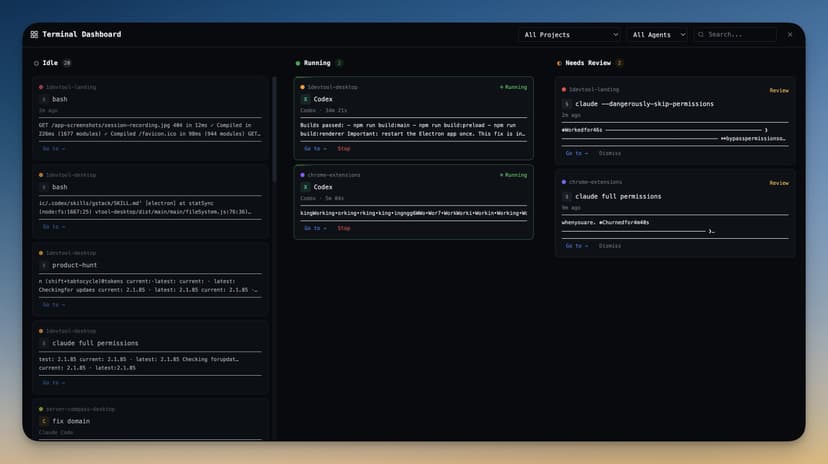
1DevTool: The Developer Cockpit I Built Because I Was Drowning in Windows
I was running Claude Code, Codex, and Gemini CLI in three different terminals, plus VS Code, Chrome, Postman, and TablePlus — just to ship one feature. So I built 1DevTool: one window per project, every AI agent in one place, everything persists.
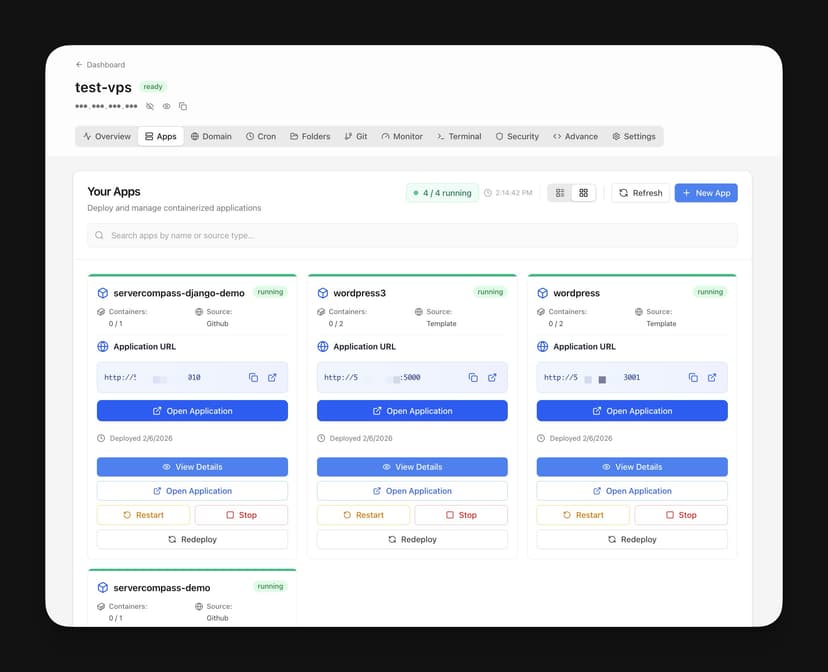
Server Compass: Why I Built a Desktop App to Turn Any $5 VPS Into My Own PaaS
I was tired of paying $20+/month for Vercel and Railway, but also tired of self-hosted panels eating 2GB of RAM on my $5 VPS. So I built Server Compass — a desktop app that connects to any VPS over SSH and gives you the full power of a managed PaaS, with zero server overhead and one-time pricing.

Day 7 - Profitable MVP in 30 Days - Branding and Landing Page
Day seven of the Profitable MVP in 30 Days challenge, focusing on building the SoundBar app brand including naming, creating a slogan, designing a logo, and building a landing page.

Should You Quit Your Job to Join a Startup?
Personal experience and lessons from quitting a big company job to join a startup. The importance of having a long-term life plan, careful evaluation before quitting, and the benefits of starting a business in your area of expertise.