Deploy ASP.NET Core to Google Cloud Virtual Machine
A detailed step-by-step guide on deploying ASP.NET Core applications to Google Cloud using Virtual Machines. Covers configuring Windows Server, IIS, SQL Server, remote database connection, and custom domain setup - suitable for beginners.

Related Posts
Discover more content you might enjoy
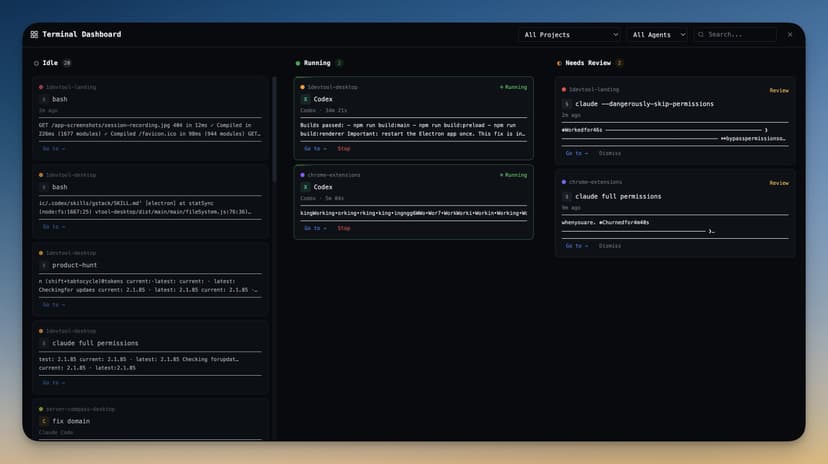
1DevTool: The Developer Cockpit I Built Because I Was Drowning in Windows
I was running Claude Code, Codex, and Gemini CLI in three different terminals, plus VS Code, Chrome, Postman, and TablePlus — just to ship one feature. So I built 1DevTool: one window per project, every AI agent in one place, everything persists.

Server Compass: Why I Built a Desktop App to Turn Any $5 VPS Into My Own PaaS
I was tired of paying $20+/month for Vercel and Railway, but also tired of self-hosted panels eating 2GB of RAM on my $5 VPS. So I built Server Compass — a desktop app that connects to any VPS over SSH and gives you the full power of a managed PaaS, with zero server overhead and one-time pricing.
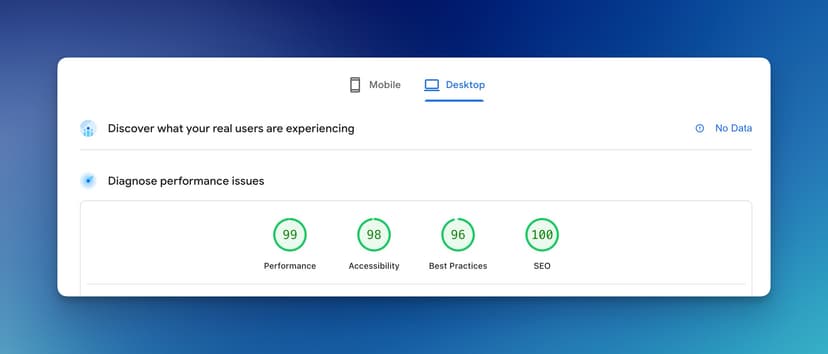
Accidentally Building a Blogging Platform
I hadn't written blog posts for a long time and realized I was too dependent on AI. To rebuild my writing habit and think more clearly, I decided to build a writing platform: write.rocks.

Vibe Coding - Rebuilding My Blog from Scratch and Rebranding to khoa.blog
Detailed walkthrough of rebuilding a blog from scratch with vibe coding, from data migration to implementing new features, helping readers understand the personal blog development process.

When Mobile World Does Branding
Sharing observations about Mobile World's subtle branding strategy through handwritten cards given to customers buying phones. I analyze how this marketing approach creates natural word-of-mouth effect and demonstrates thoughtfulness toward customers.

Daily Stoic - Applying Stoicism to Daily Life the Easy Way
Life philosophy from Stoicism through Ryan Holiday's book Daily Stoic - an effective tool for dealing with stress, work pressure, and life challenges. Learn how to apply this ancient philosophy to modern life!