MVP Building Tools for Non-Coders
An introduction to no-code tools that help non-programmers build effective MVPs (Minimum Viable Products). I share real experience with platforms like Bubble.is for web apps, Shopify for e-commerce, and Configure.IT and Dropsource for mobile app development. A cost-effective solution for startups wanting to validate product ideas before making big investments.

Related Posts
Discover more content you might enjoy
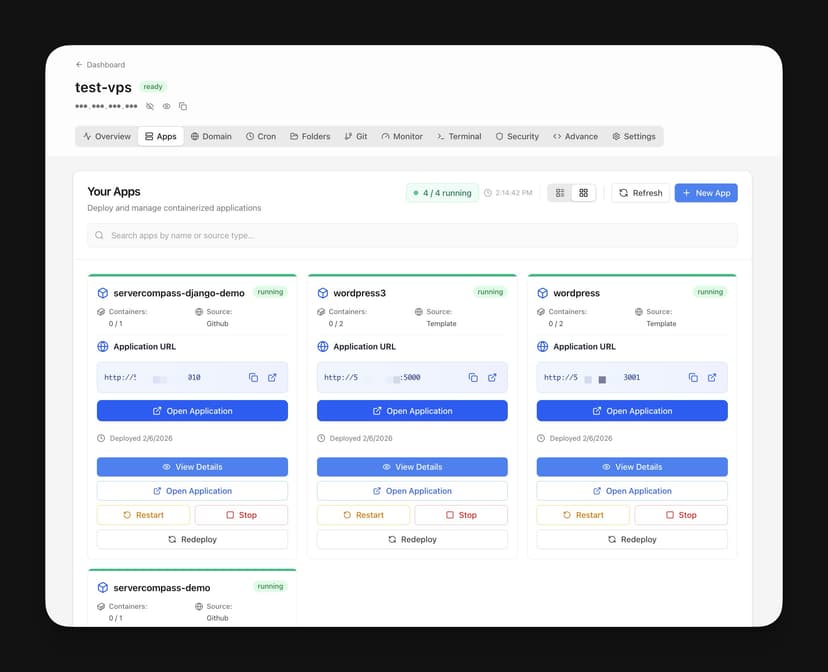
Server Compass: Why I Built a Desktop App to Turn Any $5 VPS Into My Own PaaS
I was tired of paying $20+/month for Vercel and Railway, but also tired of self-hosted panels eating 2GB of RAM on my $5 VPS. So I built Server Compass — a desktop app that connects to any VPS over SSH and gives you the full power of a managed PaaS, with zero server overhead and one-time pricing.
Accidentally Building a Blogging Platform
I hadn't written blog posts for a long time and realized I was too dependent on AI. To rebuild my writing habit and think more clearly, I decided to build a writing platform: write.rocks.

Game Theory in the AI Era: When Machines Join the Game
An analysis of the intersection between Game Theory and artificial intelligence, explaining how AI is changing Nash equilibrium principles and optimal strategies. The post includes real-world examples of applications in business, transportation, and cybersecurity.

Vibe Coding and Its Drawbacks
Detailed analysis of the drawbacks and risks of Vibe Coding - the approach of letting AI write code without human oversight, helping readers understand the challenges in applying AI technology to software development.

Feeling Empty Because I Don't Know What to Build
Sharing about the psychological state of not knowing what product to build next after a successful project. I analyze challenges in the AI era like shorter product lifecycles, high competition, and the pressure to create products with real value.
A "Super Fast" Vocabulary Learning Method
An effective English vocabulary learning method that combines words, images, sounds, and actions to activate both brain hemispheres, helping you memorize quickly and retain longer.