A "Super Fast" Vocabulary Learning Method
An effective English vocabulary learning method that combines words, images, sounds, and actions to activate both brain hemispheres, helping you memorize quickly and retain longer.
Related Posts
Discover more content you might enjoy
Is Blogging Really Dead?
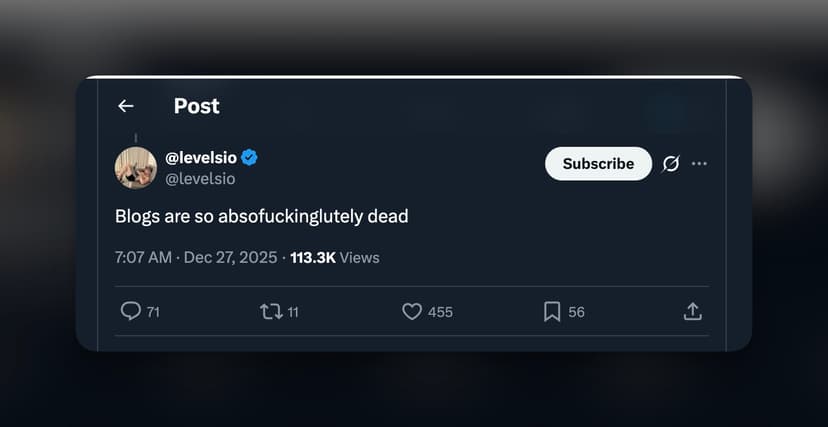
In the AI era, is blogging dead? Pieter Levels says blogs are dead, but I believe readers will crave quality blogs with unique character - no one wants to read AI-written blogs anymore.

Vibe Coding - Rebuilding My Blog from Scratch and Rebranding to khoa.blog
Detailed walkthrough of rebuilding a blog from scratch with vibe coding, from data migration to implementing new features, helping readers understand the personal blog development process.

10 Years of Reading - A Journey of Growth
Reflecting on my 10-year reading journey, from a first-year college student to building a collection of 265 books. Each book has shaped my thinking and contributed to who I am today - from Vietnamese and world literature to personal development, business, and philosophy. This is a story of growth through reading and the valuable lessons learned along the way.

Predictions About Vibe Coding: How AI Will Transform Software Creation
A detailed analysis of how 'vibe coding' - a programming method based on describing intent rather than writing code directly - will democratize software development, helping readers better understand technology trends and their impact on the IT industry.

Deploy ASP.NET Core to Google Cloud Virtual Machine
A detailed step-by-step guide on deploying ASP.NET Core applications to Google Cloud using Virtual Machines. Covers configuring Windows Server, IIS, SQL Server, remote database connection, and custom domain setup - suitable for beginners.

Living Virtually on Social Media
A personal perspective on the phenomenon of 'living virtually' on social media. I analyze four positive aspects of sharing life on digital platforms: preserving memories like a diary, connecting with like-minded people, impressing others, and having fun. Also advice on healthy virtual living that doesn't negatively affect real life.