Day 8 - Profitable MVP in 30 Days - Distribution and Payment Channels: AppStore vs Gumroad, Paddle vs Stripe
Day eight of the Profitable MVP in 30 Days challenge, analyzing distribution and payment channels for apps like AppStore, Gumroad, Paddle, and Stripe, along with calculating how many products need to be sold to reach the revenue goal.

Related Posts
Discover more content you might enjoy
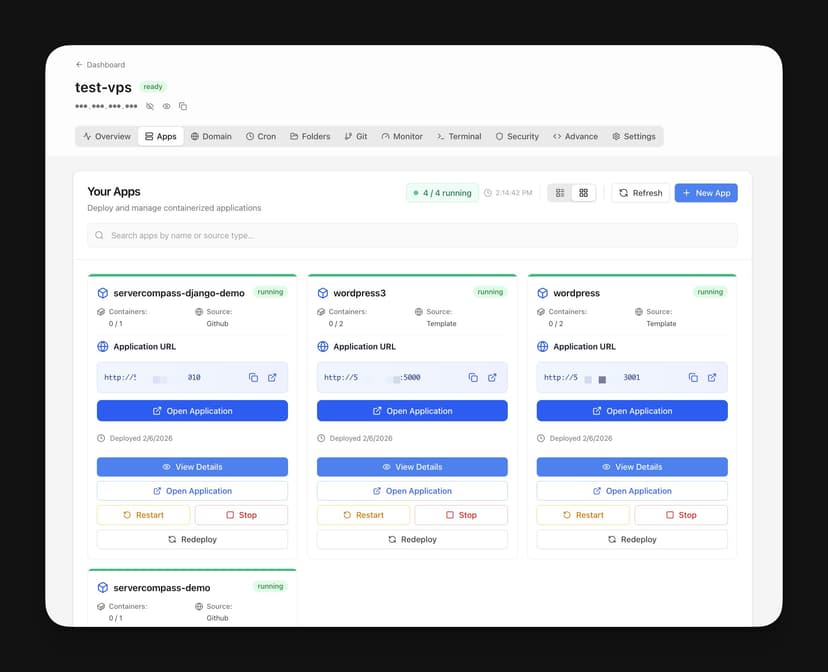
Server Compass: Why I Built a Desktop App to Turn Any $5 VPS Into My Own PaaS
I was tired of paying $20+/month for Vercel and Railway, but also tired of self-hosted panels eating 2GB of RAM on my $5 VPS. So I built Server Compass — a desktop app that connects to any VPS over SSH and gives you the full power of a managed PaaS, with zero server overhead and one-time pricing.
Accidentally Building a Blogging Platform
I hadn't written blog posts for a long time and realized I was too dependent on AI. To rebuild my writing habit and think more clearly, I decided to build a writing platform: write.rocks.

Game Theory in the AI Era: When Machines Join the Game
An analysis of the intersection between Game Theory and artificial intelligence, explaining how AI is changing Nash equilibrium principles and optimal strategies. The post includes real-world examples of applications in business, transportation, and cybersecurity.

Vibe Coding and Its Drawbacks
Detailed analysis of the drawbacks and risks of Vibe Coding - the approach of letting AI write code without human oversight, helping readers understand the challenges in applying AI technology to software development.

Books That Can Change You
Introducing four books that positively influenced the author, including the Inside Reading series for improving English reading skills, Brian Tracy's Eat That Frog on time management, Goals also by Brian Tracy on setting life goals, and Soft Skills for software developers.

Organizing Meetup Events for Beginners
Sharing real experience organizing my first meetup event for the NoCode Vietnam community. A detailed guide from inviting speakers, selling tickets, renting venues, designing the event format, to post-event engagement. Also analyzing benefits of offline events like networking opportunities, inspiration, and building strong community relationships.