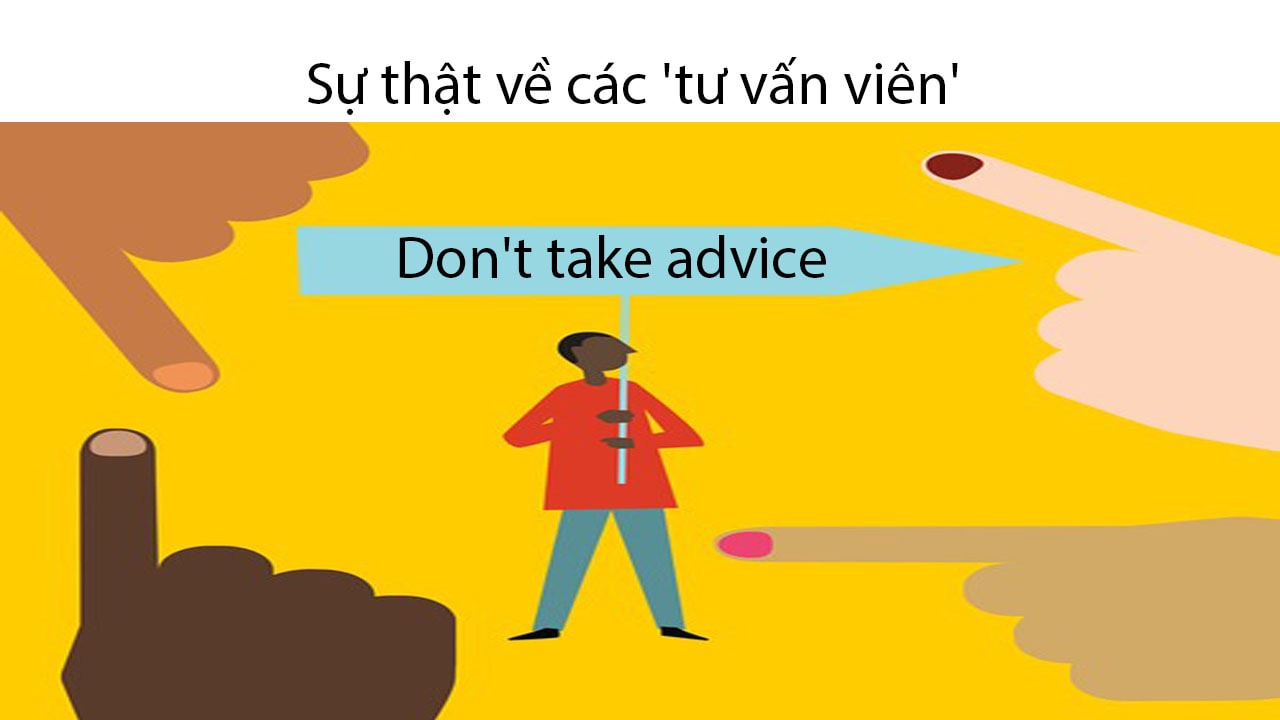
Don't Take Advice - The Truth About 'Advisors'
An analysis of the nature of advice and those who give it. The author argues that advice often reflects the advisor's personal views rather than being suitable for the recipient's circumstances. Through examining contradictory proverbs and real-world examples, this post encourages readers to listen to themselves and make their own decisions instead of depending on advice from others.

Hello everyone,
This post is inspired by the book "The Happiness Equation" by Neil Pasricha. This is probably one of the books with the most new ideas I've ever encountered. After reading it, you'll discover many fresh perspectives and progressive ways of thinking about happiness, life, and how to live more happily.
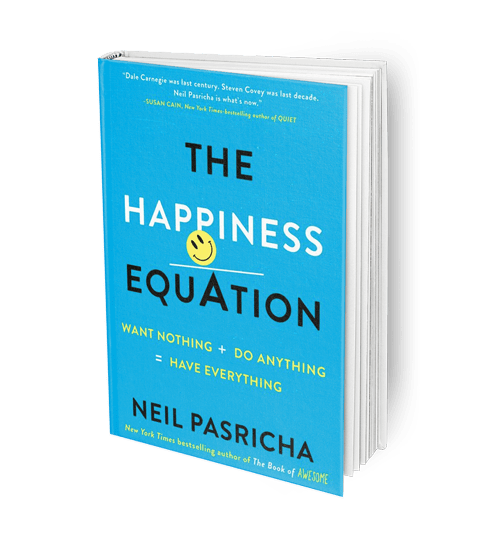
Normally I write one review per book max, but for this one, I'll analyze about 3 posts covering 3 ideas that resonated most with me. Hope it helps you. Ok, let's go!
Statistics About Lung Cancer?
In this section, the author shares a quote from a CEO who once said:
97% of lung cancer patients are smokers, and 97% of smokers never get lung cancer.
Read that carefully until you understand before continuing. After 30 seconds of brain exercise, I understood the literal meaning. It means lung cancer is almost always caused by smoking, but smoking doesn't guarantee cancer :). Maybe light smokers don't get it, or they die from other causes before lung cancer develops. It's like in math - A can imply B, but not necessarily vice versa.
First, I went online to "verify" whether this statistic was accurate or if the author was just making stuff up. "Surely smoking equals cancer," I thought. But actually, the quote is correct. You can check out a Quora topic with detailed survey data: https://www.quora.com/Is-it-true-that-only-5-percent-of-smokers-get-lung-cancer
So Why Did the Author Include This Statistic?
Say you see a friend smoking - normally we'd advise them "stop smoking, you'll get cancer." We base it on feelings and give emotional advice without knowing exactly how many cigarettes they smoke per day, whether they only smoke when sad, or smoke once a year, etc. More importantly, we don't know if smoking definitely causes cancer, how many cigarettes lead to cancer, what the exact numbers are - we have no idea. We see that most lung cancer patients smoked, so we give that advice.
It happens that smoking is harmful, so such advice is reasonable - no argument there. But try "pivoting" the issue and it's completely different. For example, if I'm torn between going to university or vocational school, and I search online "should I go to university?" - what then?
Should I Go to University? The Truth About 'Advisors'
Try Googling "Should I go to university" and see the results. You'll find many young people without direction posting questions on forums, news sites, and online counseling pages. Of course, plenty of 'advisors' show off their expertise here. There are tons of search results, but let me just pick one as an example. Should I take the university entrance exam or learn a trade? - VnExpress (in Vietnamese)
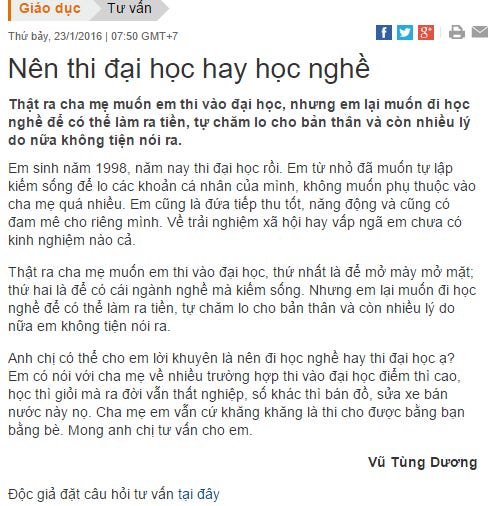
And the advisors' answers always split into two camps - one supporting university and one choosing vocational school.

Just like the advice that smoking causes cancer, these 'advisors' give extremely emotional advice based on what they think is right - but reality is different. Even if they're correct, they're just the minority among the majority. Why did one person succeed with vocational training, or why did another fail at university? Is it the learning environment, themselves, family? Researchers spend decades before daring to confirm something - how can someone who's just read some basic info give accurate advice?
And who are these advisors? They could be someone who hasn't finished high school, or someone who only went to university without vocational training, or vice versa. Very likely.
The reality is many people seek advice like: "Should I study abroad?", "Should I study X or Y?", "Should I work at X?", "Should I date someone older?", etc. Whatever you search for, there are advisors like these ready to 'help' you.
Contradictory Proverbs
Francis Bacon once said that the genius, wisdom, and spirit of a nation can be recognized through its proverbs. Proverbs convey unique cultural values and perspectives. Through language, ancestral wisdom is refined and passed from generation to generation. Therefore, proverbs are often accepted as truth. But when studying proverbs, we often find pairs that seem to contradict each other:
- "Slow and steady wins the race" vs "The early bird catches the worm"
- "Look before you leap" vs "He who hesitates is lost"
- "Absence makes the heart grow fonder" vs "Out of sight, out of mind"
- "Many hands make light work" vs "Too many cooks spoil the broth"
- "Fortune favors the bold" vs "Pride comes before a fall"
- "Clothes make the man" vs "Don't judge a book by its cover"
- "There's no place like home" vs "Travel broadens the mind"
- "Birds of a feather flock together" vs "Opposites attract"
- "The pen is mightier than the sword" vs "Actions speak louder than words"
- "What will be, will be" vs "Life is what you make it"
Semantically, many proverbs contradict each other. However, the true meaning of a proverb depends on the situation where it's used or created. Or due to different personal views, people can see the same event with different attitudes. When commenting on the same action, one person might think it's futile work while another more optimistic person believes "persistence pays off."
See? Since ancient times, there have been such advisors. Remember: Advice mostly reflects the advisor's thinking, not yours!
Vocational schools will advise you to learn a trade, save time. Your boss will advise you to work hard. Your parents will advise you to study hard and get a "cushy office job." Of course, Pepsi won't advise you to drink Coke. Study abroad agencies won't advise you to study at home.
So Where Are the Real Advisors?
If all advice is meaningless, where are the real advisors - are they unemployed? Fair point - giving advice is one thing, but whether you accept and follow it is another. The decision is up to you. Whether you follow advice or not, the Earth keeps spinning and planes keep flying :)
Brain Teaser?
This post is also advice, right?
-> Yes
Aha, you're telling people not to follow others' advice while advising people to follow your advice?
-> Yes. But "The decision is up to you." Not all advice is bad, and bad people can give advice too - but not all good people advise others to do good things.
Conclusion:
Happy people know when to stop following others' advice and start listening to themselves. If everyone followed advice, there would be no Apple, Microsoft, Facebook, Amazon, Tesla, etc.
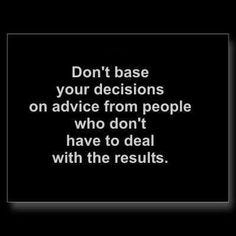
Finally, I'd like to quote these 4 lines from author Neil Pasricha:
The answers are all inside you.
Think deep and decide what's best
Go forth and be happy
And don't take advice
Related Posts
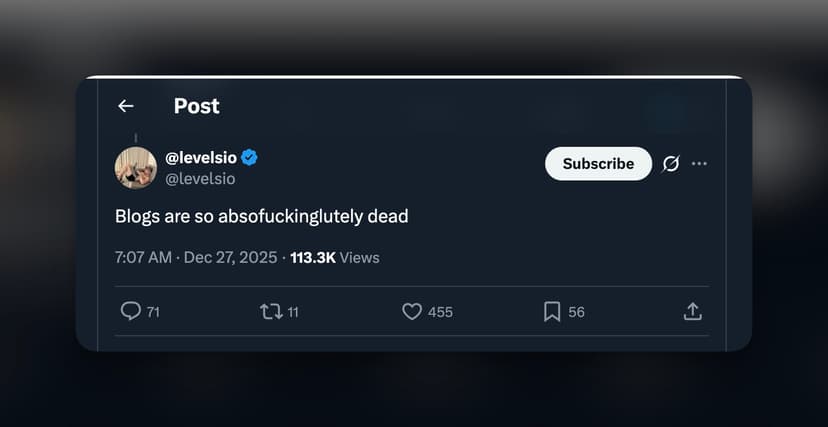
Is Blogging Really Dead?
In the AI era, is blogging dead? Pieter Levels says blogs are dead, but I believe readers will crave quality blogs with unique character - no one wants to read AI-written blogs anymore.

Vibe Coding - Rebuilding My Blog from Scratch and Rebranding to khoa.blog
Detailed walkthrough of rebuilding a blog from scratch with vibe coding, from data migration to implementing new features, helping readers understand the personal blog development process.

10 Years of Reading - A Journey of Growth
Reflecting on my 10-year reading journey, from a first-year college student to building a collection of 265 books. Each book has shaped my thinking and contributed to who I am today - from Vietnamese and world literature to personal development, business, and philosophy. This is a story of growth through reading and the valuable lessons learned along the way.

Why Keep Skateboarding Despite the Falls?
Sharing experiences and perspectives on skateboarding as a way to train willpower and face challenges, helping readers understand the spirit of resilience and persistence in life, from skateboarding to important life decisions.

3 Principles of Redux
This post explains the three core principles of Redux and how it solves the state management problem in complex React/React Native applications.

Villand - Resort Property Management App
Introduction to Villand - a resort property management application helping investors and managers easily track and manage their assets.